Lake District National Park
The Lake District, also known as the Lakes or Lakeland, is a mountainous region and national park in Cumbria, North West England.
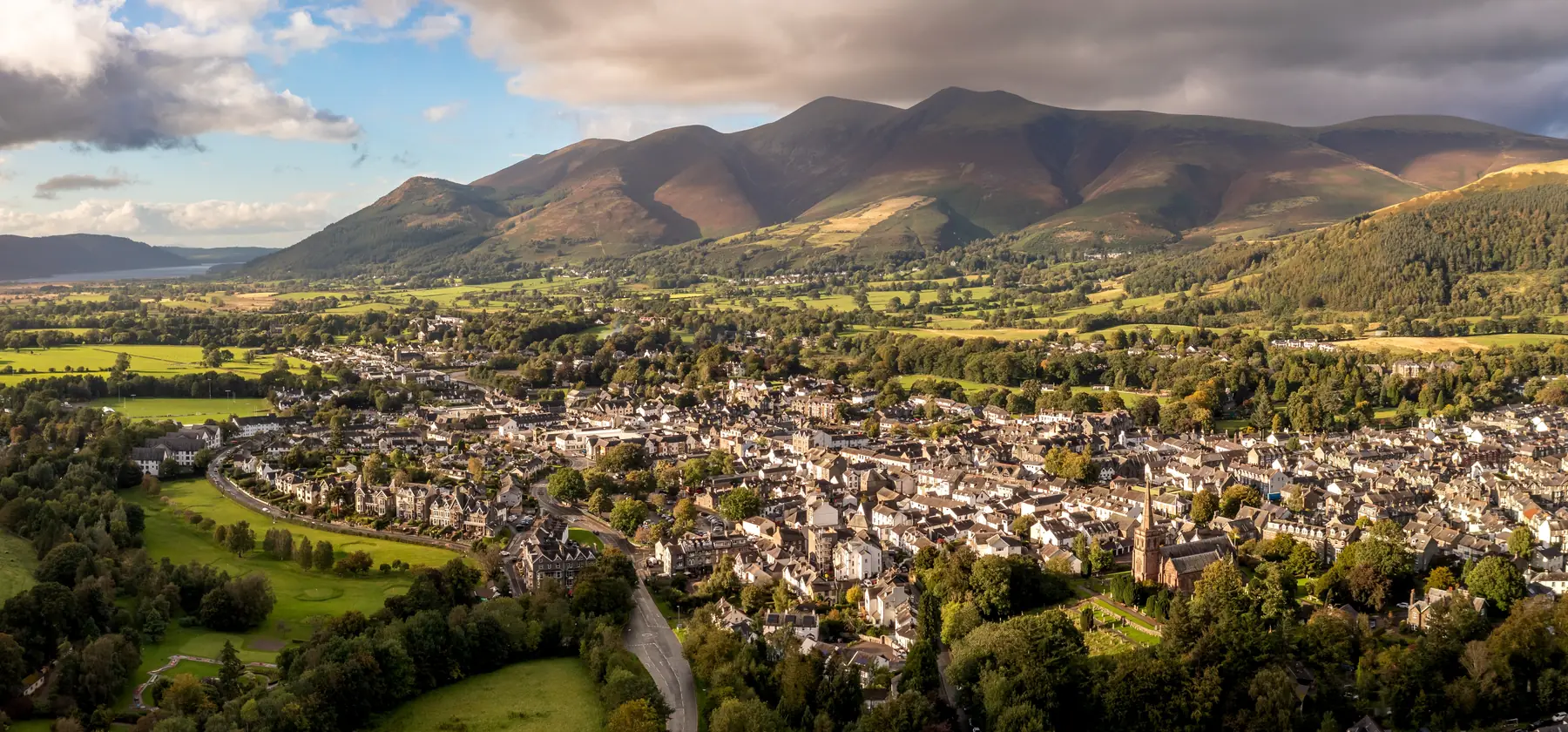
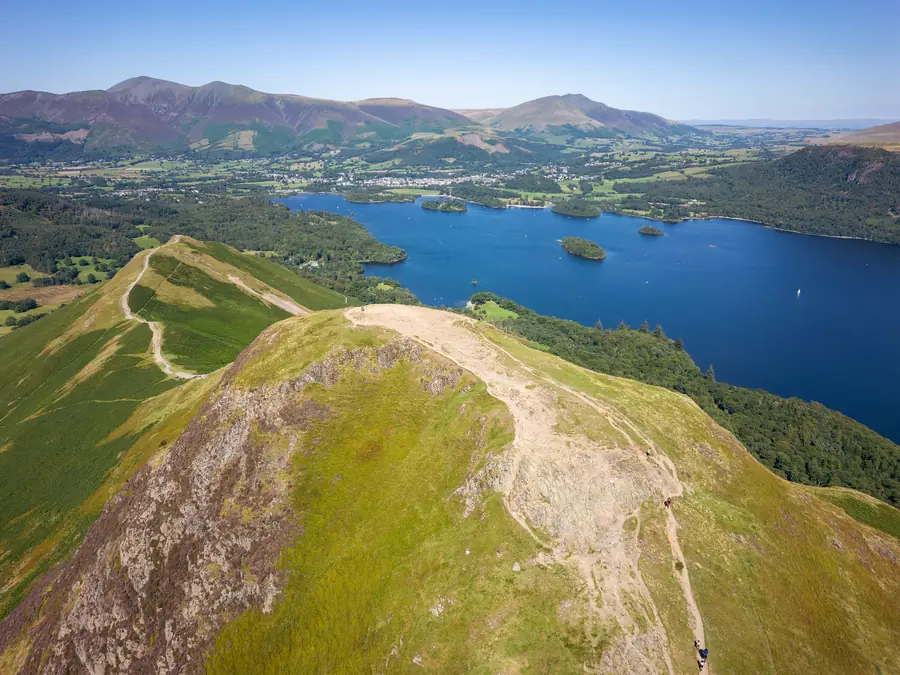
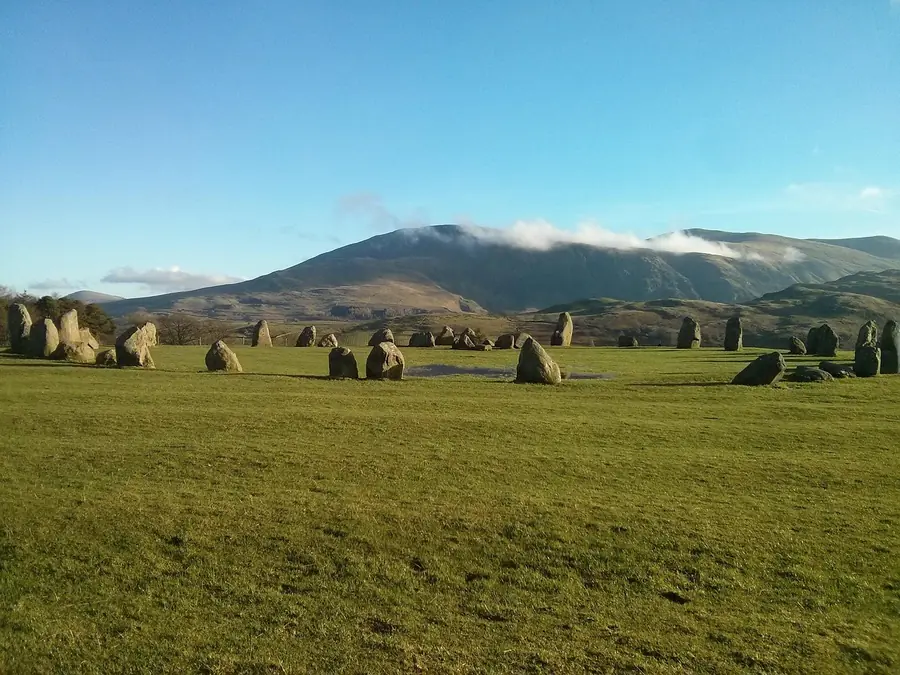
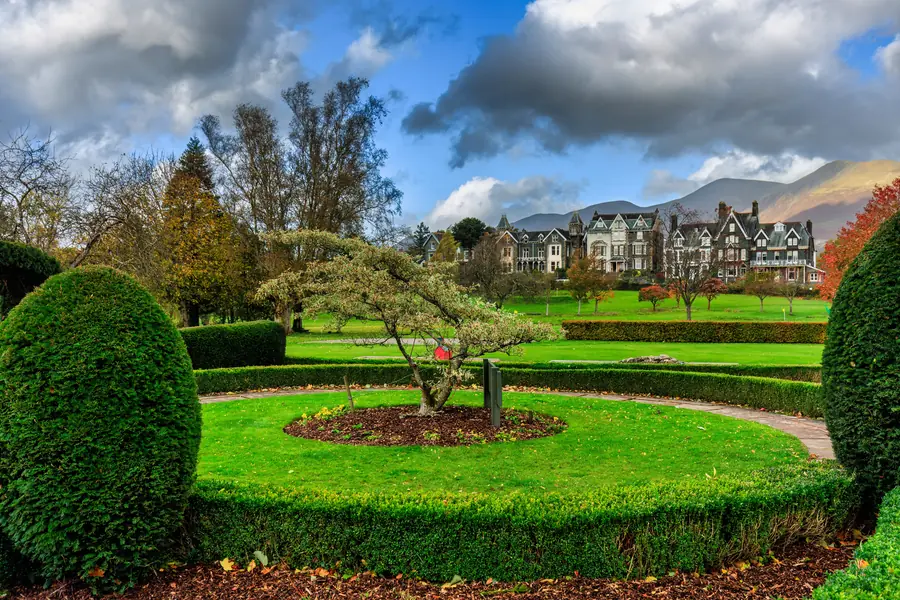
Lake District National Park, Castlerigg Stone Circle and more: the attractions, the days out and how to plan your visit.
Keswick is a market town at the head of Derwentwater, in the northern half of the Lake District National Park, and above all a base for walking. The parish had 4,658 people at the 2021 census, the market charter dates from 1276, and by the early 21st century some 60% of the town’s employment was in tourism. The centre is small: the two museums, Hope Park and the Derwentwater boat landings all sit within a kilometre of the market square in a straight line, and central Keswick is walkable end to end in about fifteen minutes. It suits people who mean to be outside, waterproofs packed: Keswick is one of the wettest inhabited places in England.
The Moot Hall stands in the middle of the Market Square: built in 1695 as the manor court house, rebuilt by Greenwich Hospital in 1813, its lower floor a Saturday market hall, and now the visitor information centre. Market days are Thursday and Saturday. Main Street runs off it, and the shops say what the town is for: outdoor equipment above all, among galleries, delis, cafés and pubs.
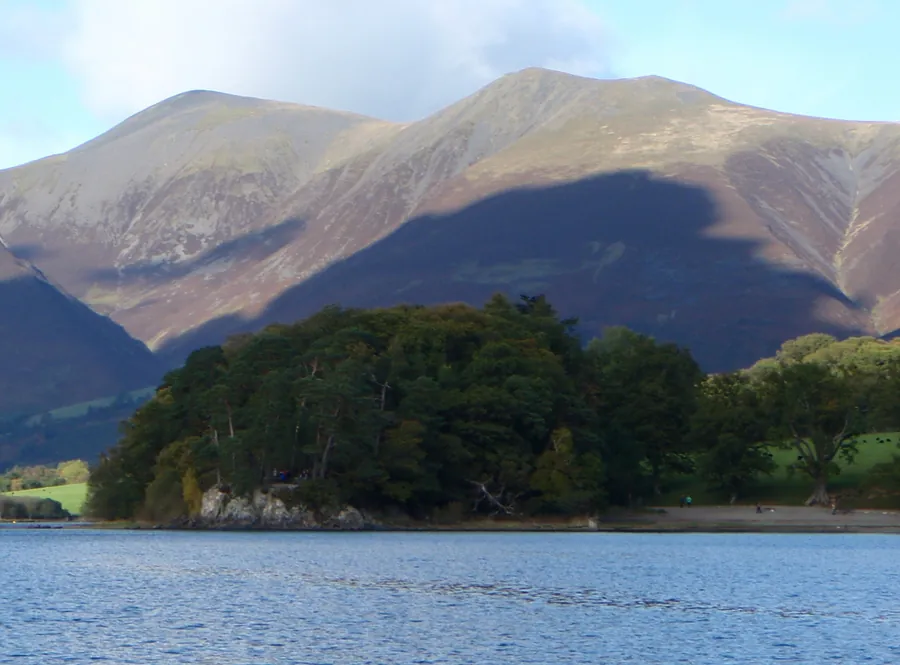
Lake Road heads south to the water. Hope Park, 0.4 km out in a straight line, fills the gap between town and lakeshore with pitch and putt, crazy golf and model boats, and holds 4.7 from 3,035 Google reviews. Past it are the Lakeside car park, the Theatre by the Lake, opened in 1999, and the Derwentwater jetties, ten minutes on foot from the square. Friars Crag, a promontory the National Trust bought for the public in the 1920s, is 1.2 km along the shore, level going.
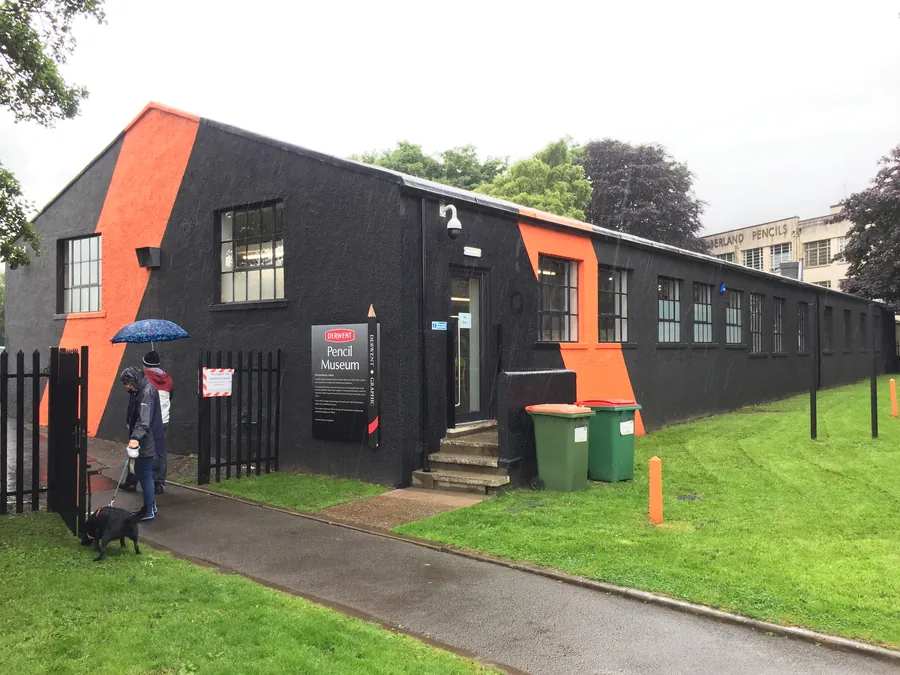
North and east, Station Road carries Keswick Museum, built in 1897 beside Fitz Park. The Derwent Pencil Museum is 0.44 km north-west on the Southey Works site, where pencils were made until the factory closed in 2006; the trade began with a graphite find in Borrowdale in the 1550s. Behind the town rises Skiddaw, England’s fourth-highest mountain at 931 m (3,054 ft), with the grassy shoulder of Latrigg in front. Castlerigg stone circle sits 2.5 km east and holds 4.6 from 6,602 Google reviews.
Keswick takes something like 1,400 mm of rain a year, and Borrowdale to the south is wetter still. December is usually the wettest month, spring the driest. It cuts both ways: Lodore Falls, 4.8 km south in a straight line, drops more than 100 feet over a steep cascade after heavy rain and reduces to a trickle in a dry spell — in July 2026 a visitor wrote that “It’s been a dry few weeks so the water is very low”.
Of the 110 visitor reviews sampled across the eleven attractions in and around town, fifteen mention crowds, queues or trouble parking — six of them for one small promontory. Friars Crag draws 4.8 from 1,836 Google reviews and has a single bench at the end of it. A visitor in May 2026 wrote, “A single bench is one of the most desired tourists points, and people do queue for it.” One in July 2026 advised going “early or late if you want to sit down.”
Parking is the pinch point, and not only in August. A visitor to Friars Crag in January 2026 reported, “Parking was a challenge when I visited midweek between Christmas and New Year. The closest car park at the lakeside was packed”. Town car parks are pay-and-display, there is no free parking in the centre, and on fine weekends and in summer they fill before mid-morning. Castlerigg has no car park at all, only roadside space along the lane; a visitor in March 2026 found it “obviously busy at weekends and summer holidays.”
July brings the Keswick Convention, an evangelical Christian gathering run annually since 1875 that fills the town. A visitor to the Pencil Museum that month wrote that “There is a huge Christian festival beside the museum so no parking, you have to go through security just to get into the museum”. Not everywhere is under pressure: at Threlkeld Quarry and Mining Museum, 6 km east, a visitor in May 2026 “basically had the place to ourselves, even though it was a bank holiday Saturday.”
A day covers the town and one thing on the water. The Keswick Launch runs a roughly 50-minute circuit of Derwentwater with hop-on, hop-off jetties around the shore, and it is as much transport as sightseeing: a visitor in July 2026 explained, “I wanted to hike up Catbells and is easier to use the launch to get from Keswick over to Hawes End and the start of the walk.” The waymarked lakeshore circuit is about 10 miles, mostly flat, and the launch shortens it at any jetty.
Two nights adds a fell day and the wet-weather list. Keswick Museum divides people: a visitor in June 2026 called it “of interest for grown-ups only, not children”, while one in August 2024 wrote, “Yes, it is small, but I spent two hours there”. Half a day buys the square, Hope Park and Friars Crag.
Distances are straight-line from the centre unless stated. Portinscale, which Wikipedia puts 1½ miles (2.5 kilometres) from Keswick, is 1.6 km across the Derwent and has the two boat-hire marinas; Braithwaite is 3.4 km west. Threlkeld, which Wikipedia places three miles (4.8 km) east, is 6 km out and reachable on the Keswick to Threlkeld Railway Path — the old trackbed, flat and traffic-free, about 5 km each way and level enough for buggies and mobility scooters.
South, the Borrowdale road passes Surprise View at 4.4 km, a viewpoint over the length of Derwentwater with 4.9 from 2,934 Google reviews and an approach that puts people off — a visitor in July 2026 warned it is “a fairly steep and narrow road to reach in car, definitely not suitable for anything larger than a big car.” The Bowder Stone and Watendlath are both 7.1 km, Buttermere 11.0 km over Honister; the seasonal 77/77A Honister Rambler circles through both valleys and the 78 runs up to Seatoller. Cockermouth is 15.9 km, Grasmere 17.5 km.
Keswick has had no station since the line closed in 1972, so trains mean Penrith, 25.3 km east on the West Coast Main Line, then the Stagecoach X4/X5 bus; the 555 Lakeslink runs south to Windermere and Kendal, from the bus station by Booths. Rural frequencies thin outside May to October, when a car-free visit is easiest.
The most-visited sights in and around Keswick.
The Lake District, also known as the Lakes or Lakeland, is a mountainous region and national park in Cumbria, North West England.
Castlerigg stone circle is situated on a prominent hill to the east of Keswick, in the Lake District National Park, North West England.
The Derwent Pencil Museum is a museum dedicated to the manufacturing and history of pencils, located in Keswick, in the north-west of England.
Friars' Crag, sometimes spelled Friar's Crag or Friars Crag, is a promontory overlooking Derwentwater near Keswick, Cumbria, in the English Lake…
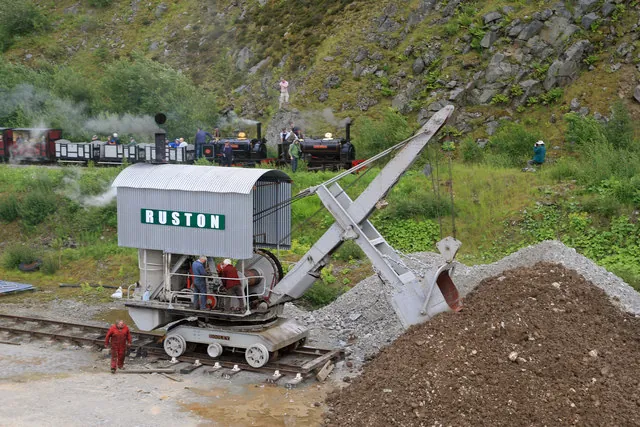
The Threlkeld Quarry and Mining Museum is a museum located in Threlkeld three miles (4.8 km) east of Keswick, in the Lake District in Cumbria.
The top sights on one map — and a sensible order to see them in.
Attractions, prices and availability in Keswick
These come from GetYourGuide's booking widget, which sets their cookies in your browser. Consent to load it and see the attractions and prices.
Written from what we found on the ground.
 Parking in Keswick: Where to Leave the Car Every Keswick car park explained — free options, the central pay-and-display sites, trailhead parking for Catbells and Walla Crag, motorhomes, EV charging and how to avoid the summer scramble. Read the guide →
 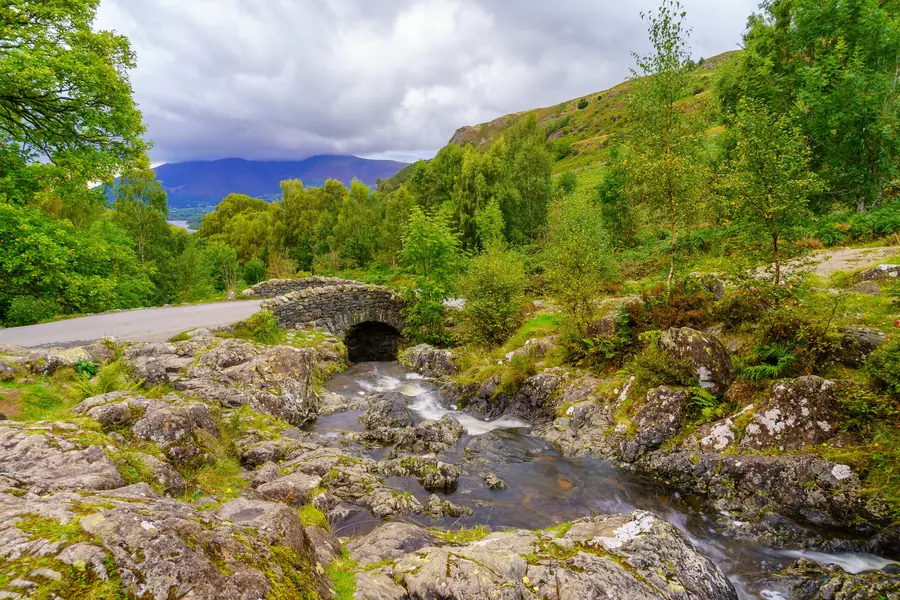 Day Trips From Keswick: Twelve Places Within an Hour Where to go on a day out from Keswick — Buttermere, Borrowdale, Ullswater, Cockermouth, Grasmere, Whinlatter, Carlisle and the Solway coast, with driving times and public transport. Read the guide →
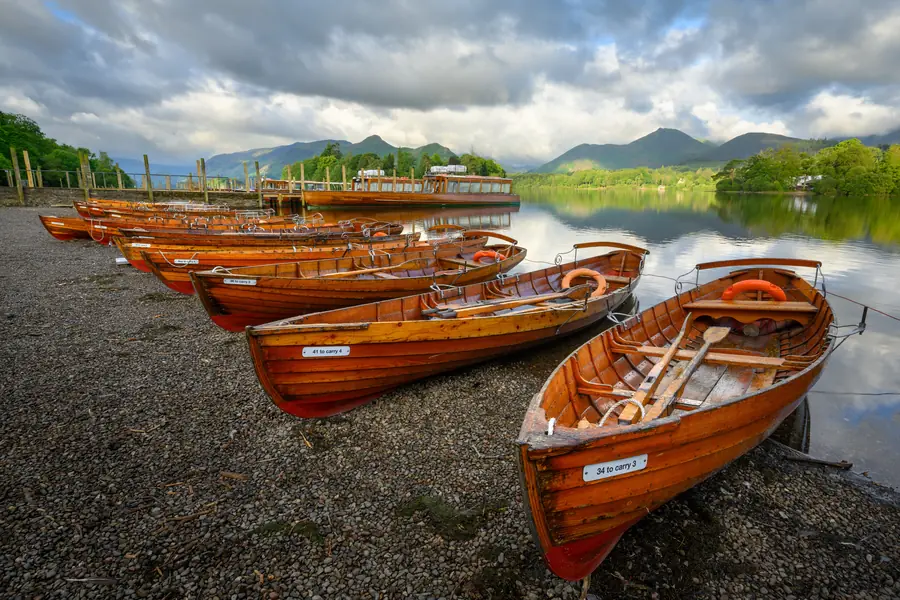
 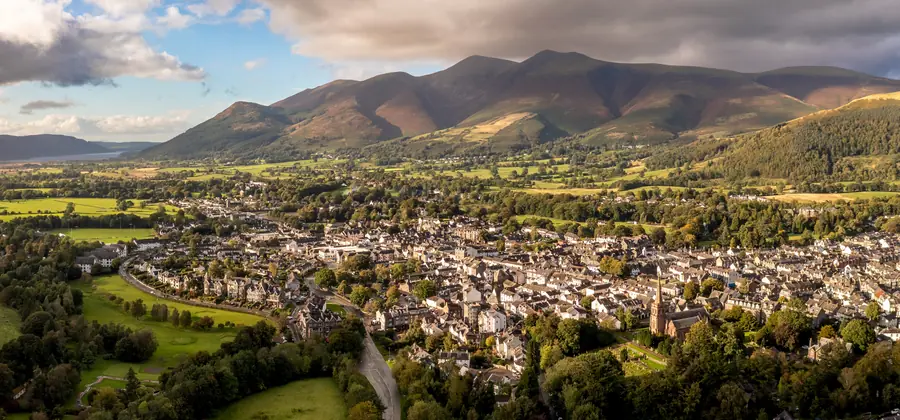 Derwentwater: Boats, Jetties and the Walk Around the Lake How to get out on Derwentwater — the Keswick Launch circuit, kayak and rowing boat hire, the islands, the ten-mile shore walk and the best viewpoints over the lake. Read the guide →
 Guides, ideas and planning help for your visit, from the editors.
Read the guides